


Help


Get In Touch +1 (888) 575-2099


authorized dealer, shop your favorite brand.

Expert Support,
Dial +1 (888) 575-2099

Limited Supply,
grab it before it's gone.

Lowest prices,
As low as possible.

All Items are brand New,
Never used.

Recently Viewed Products


- $2,985.00
$2,985.00- $2,985.00
- Unit price
- per


- $1,485.00
$1,650.00- $1,485.00
- Unit price
- per


- $7,999.99
$8,499.00- $7,999.99
- Unit price
- per


- From $1,000.00
- From $1,000.00
- Unit price
- per


- $2,500.00
$2,699.00- $2,500.00
- Unit price
- per


- $1,500.00
$1,699.00- $1,500.00
- Unit price
- per


- $1,569.00
$1,980.00- $1,569.00
- Unit price
- per


- $1,729.99
- $1,729.99
- Unit price
- per


More Than Manufacturing Machines, Our Goal Is To Help Build Your Dreams. We Strive To Exceed Our Customers’ Needs With Excellence, Making Sure Their Creativity Can Flow, So That Their Commitment, Dedication And Love For Its Craft Can Become People’s Stories.
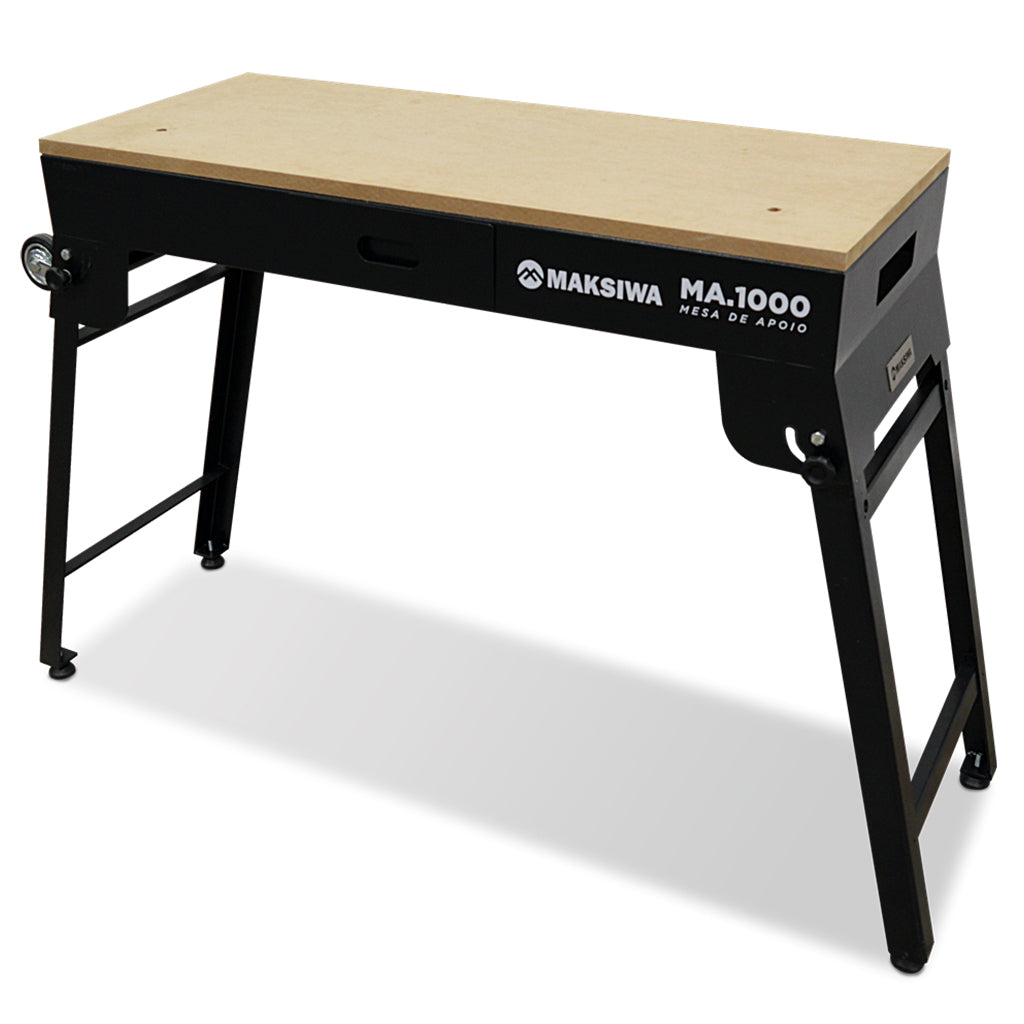
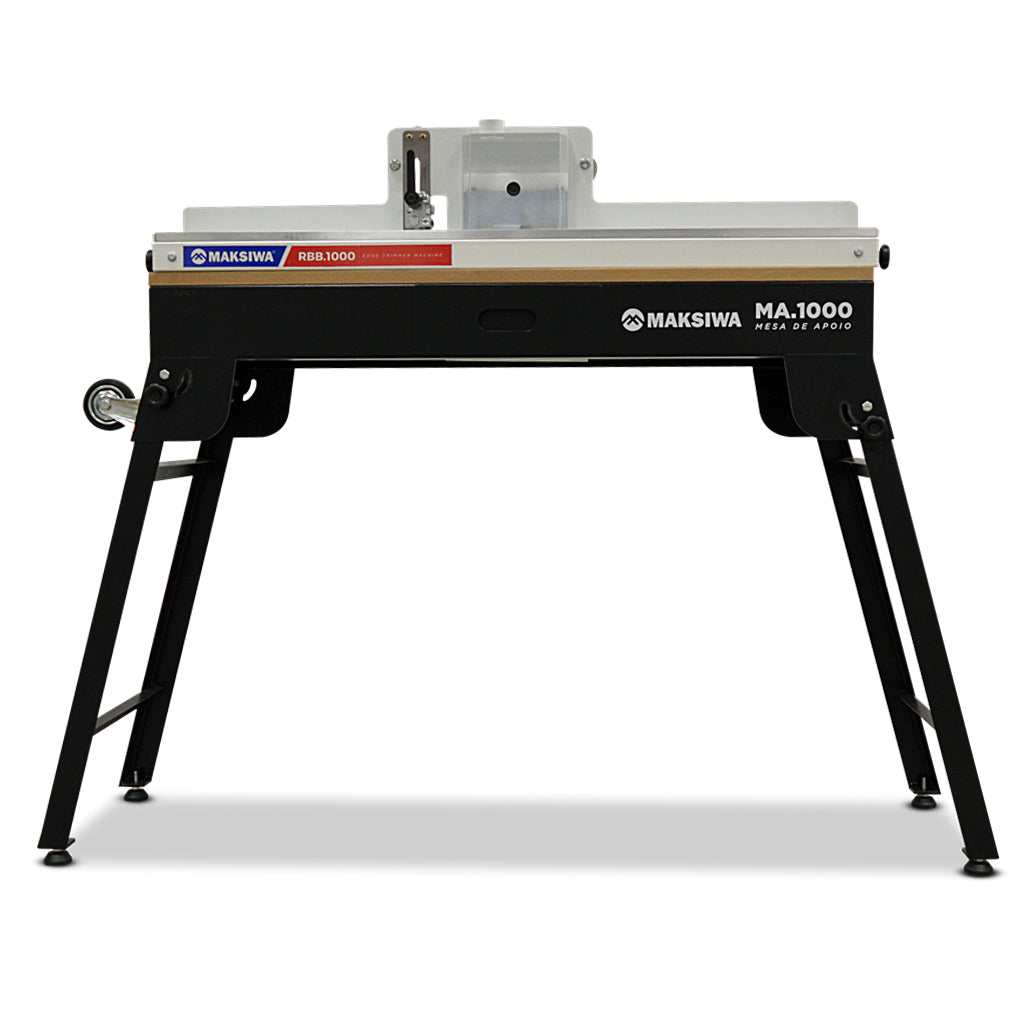
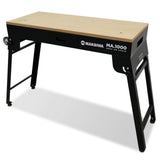
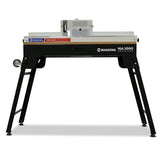
The MA.1000 Workbench is perfect for your cabinet shop. Your work table is made in MDF with a workarea 1.000 x 420 mm (39″ x 16,5″). Its structure is made rigid sheet and supports up to 200 kg (441 pounds). Contains a drawer for the user to store all the accessories of your projects. In addition, it has 2 sockets and electric extension of 2.000 mm (78,7″). It has retractable feet and wheels to movement, enabling the user to take the MA.1000 to wherever he wants.
Specifications
| Workarea |
1.000 x 420 mm (39″ x 16,5″) |
|---|---|
| Máx. Holding Capacity |
200 kg (441 pounds) |
| Net Weight |
23,6 kg (52 pounds) |
Video
What Our Experts Think
The MAKSIWA Workbench MA.1000 is a versatile, durable, and reliable solution for woodworkers needing a stable, high-performance workspace. Here’s why it stands out:
- Sturdy Construction: Built with robust materials, the MA.1000 offers excellent support for heavy-duty tasks, ensuring long-lasting durability in demanding environments.
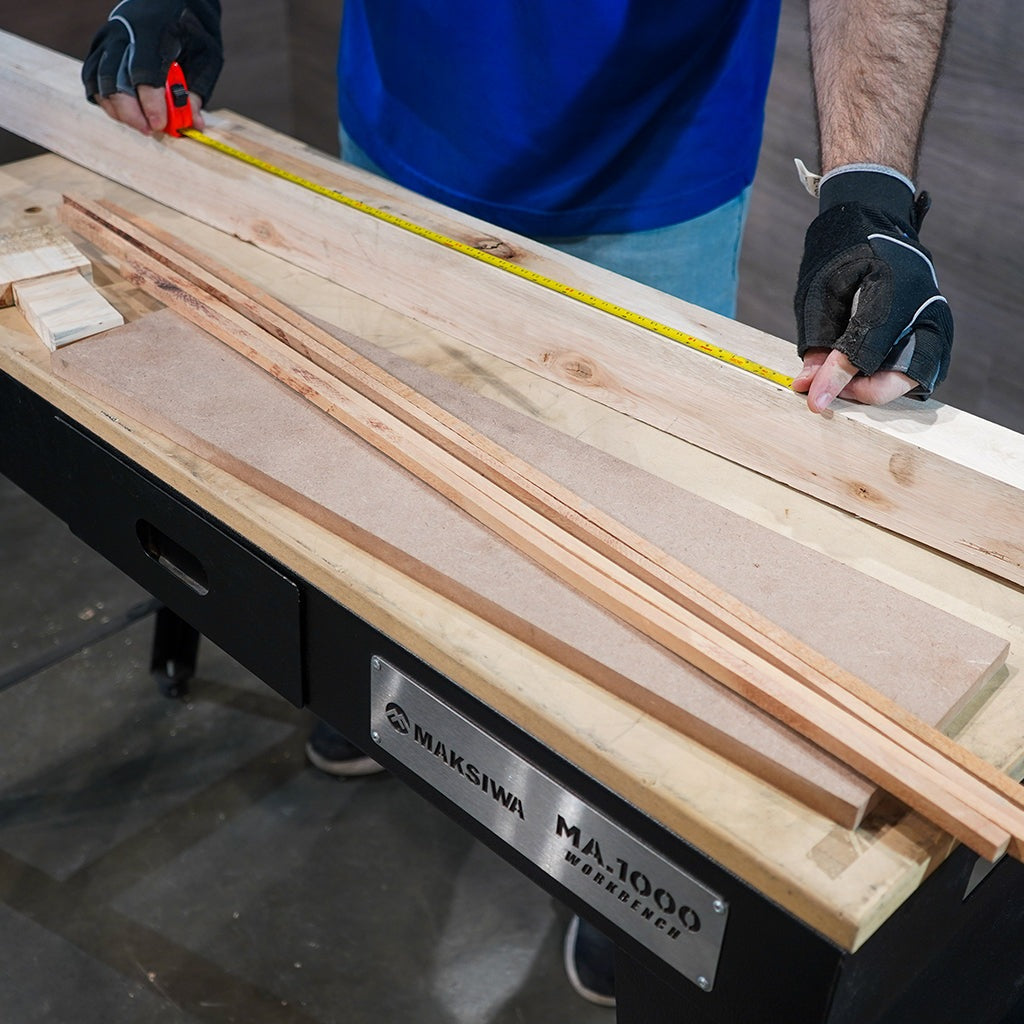
- Large Work Surface: Provides ample space for larger projects, giving you the flexibility to work with bigger panels and materials with ease.
- Precision Support: Designed to hold workpieces securely, enhancing accuracy and control during cutting, sanding, or assembly tasks.
- Versatile Use: Perfect for a wide range of woodworking applications, including edge banding, trimming, and assembly, making it a great addition to any workshop.
- Adjustable Features: Equipped with adjustable components that allow for customized configurations, ensuring you can work comfortably and efficiently.
- Compact and Practical: Despite its large surface area, the MA.1000 is designed to fit easily into most workshop spaces, offering both space-saving and functional benefits.
Q&A
Q: What is the MAKSIWA Workbench MA.1000?
A: The MAKSIWA MA.1000 is a versatile and durable workbench designed to provide a stable, reliable surface for woodworking, assembly, and other detailed tasks in professional and home workshops.
Q: What are the key features of the MA.1000 workbench?
A: The MA.1000 features a large, flat surface for precision work, sturdy construction for stability, and is designed to handle heavy-duty projects, making it ideal for woodworkers, craftsmen, and hobbyists.
Q: What materials can be worked on with the MA.1000?
A: The MA.1000 is suitable for a variety of materials, including wood, MDF, plywood, metal, and plastics, making it a versatile option for a wide range of tasks.
Q: How does the MA.1000 improve work efficiency?
A: The MA.1000 offers a spacious, organized surface with built-in storage options and clamping mechanisms to keep materials steady, improving both efficiency and accuracy during work.
Q: Is the MA.1000 workbench easy to assemble?
A: Yes, the MA.1000 workbench is designed for easy assembly, with clear instructions and minimal setup required, so you can start working on your projects quickly.
Q: What is the build quality of the MA.1000?
A: The MA.1000 is built with high-quality materials, ensuring a long-lasting, sturdy work surface capable of withstanding the rigors of daily use in busy workshops.
Q: Can the MA.1000 workbench handle heavy loads?
A: Yes, the MA.1000 is designed to support heavy materials and tools, providing a stable base for heavy-duty tasks without wobbling or losing precision.
Q: Is the MAKSIWA Workbench MA.1000 suitable for professionals?
A: Yes, the MA.1000 is designed for professional use, offering durability and accuracy that meet the demands of woodworking shops, carpenters, and artisans.
Maintenance Tips
-
Regular Cleaning: Clean the workbench regularly by wiping down the surface to remove dust, debris, and residue from materials. Use a soft cloth or brush to avoid scratching the surface. This helps maintain a smooth and clean working area.
-
Inspect for Damage: Regularly inspect the workbench for any signs of damage such as cracks, loose joints, or wear on the surface. Ensure the bench is level and stable. If any parts are damaged, repair or replace them immediately to maintain a safe work environment.
-
Tighten Fasteners: Over time, screws, nuts, and bolts can loosen due to regular use. Periodically check all fasteners and tighten them as needed to ensure the bench is sturdy and stable during use.
-
Protect the Surface: If possible, use protective covers or mats on the work surface to prevent scratches, gouges, or stains caused by tools or heavy workpieces. You can also apply a wood conditioner or protective coating to wooden surfaces to preserve their finish.
-
Lubricate Moving Parts: If your workbench has any adjustable or moving components, such as drawers or vice mechanisms, lubricate them with an appropriate oil or grease to ensure smooth operation. This reduces friction and helps prolong the lifespan of these parts.
-
Check the Work Surface for Flatness: Ensure that the workbench surface remains flat. A warped or uneven surface can affect the accuracy of your work. Use a level to check regularly and make adjustments if necessary.
-
Organize Tools and Accessories: Keep your workbench organized by storing tools, screws, and accessories in their designated compartments or drawers. This reduces clutter and helps maintain an efficient workspace.
-
Inspect the Legs and Frame: Periodically check the legs and frame for any signs of wear, corrosion, or instability. If any parts are loose or damaged, reinforce or repair them to maintain the stability and safety of the workbench.
-
Prevent Overloading: Avoid overloading the workbench with heavy tools or materials that could damage the structure. Follow the manufacturer’s recommended weight limits to prevent stressing the workbench.
-
Annual Inspection: Have the workbench inspected periodically by a professional or perform a thorough check yourself to ensure all parts are in good condition. Look for signs of wear, fatigue, or any potential issues that could affect performance or safety.
Related Products


- Choosing a selection results in a full page refresh.